COMFORT IN FRAGMENT
About COMFORT IN FRAGMENT
COMFORT IN FRAGMENTS explores the complex emotions surrounding memory, loss, and the essence of human existence through a visual narrative. While the work originates from a deeply personal act of mourning—commemorating friends who have passed away—it gradually expands beyond individual grief into more universal layers of emotion and relationships. At its core, it poses a fundamental question about the nature of connection and communication, which, in contemporary life, are increasingly fragmented and fading.
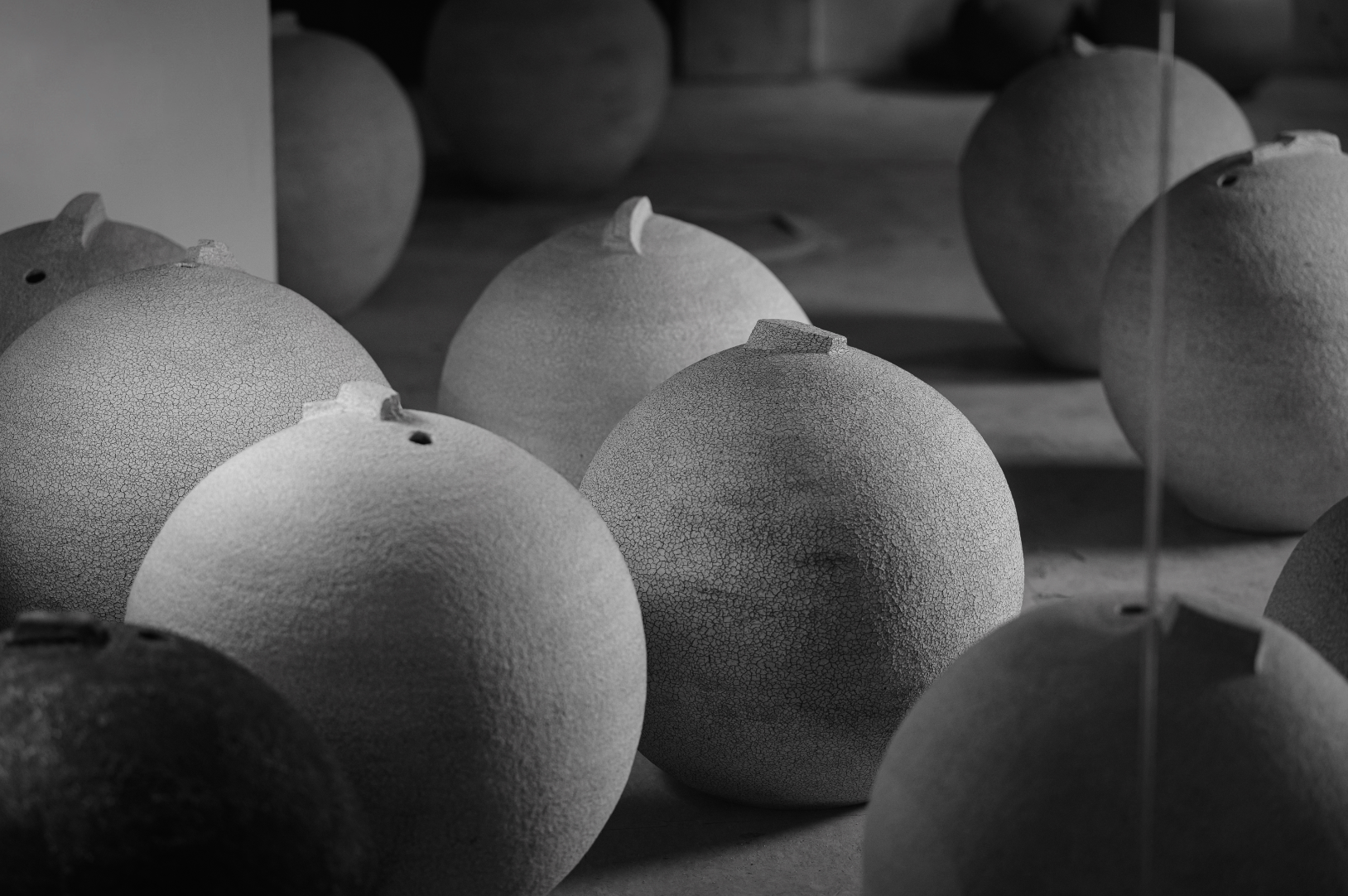
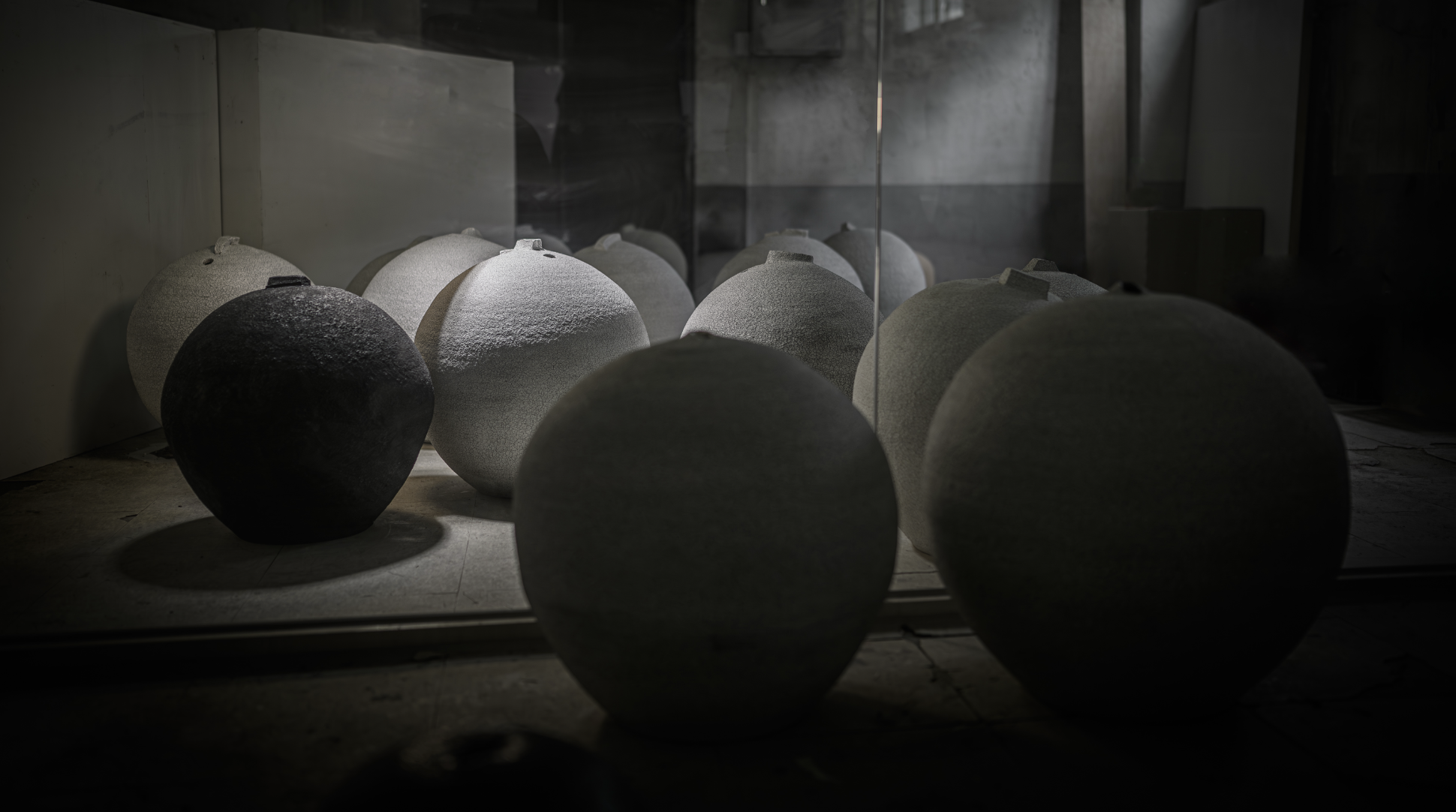
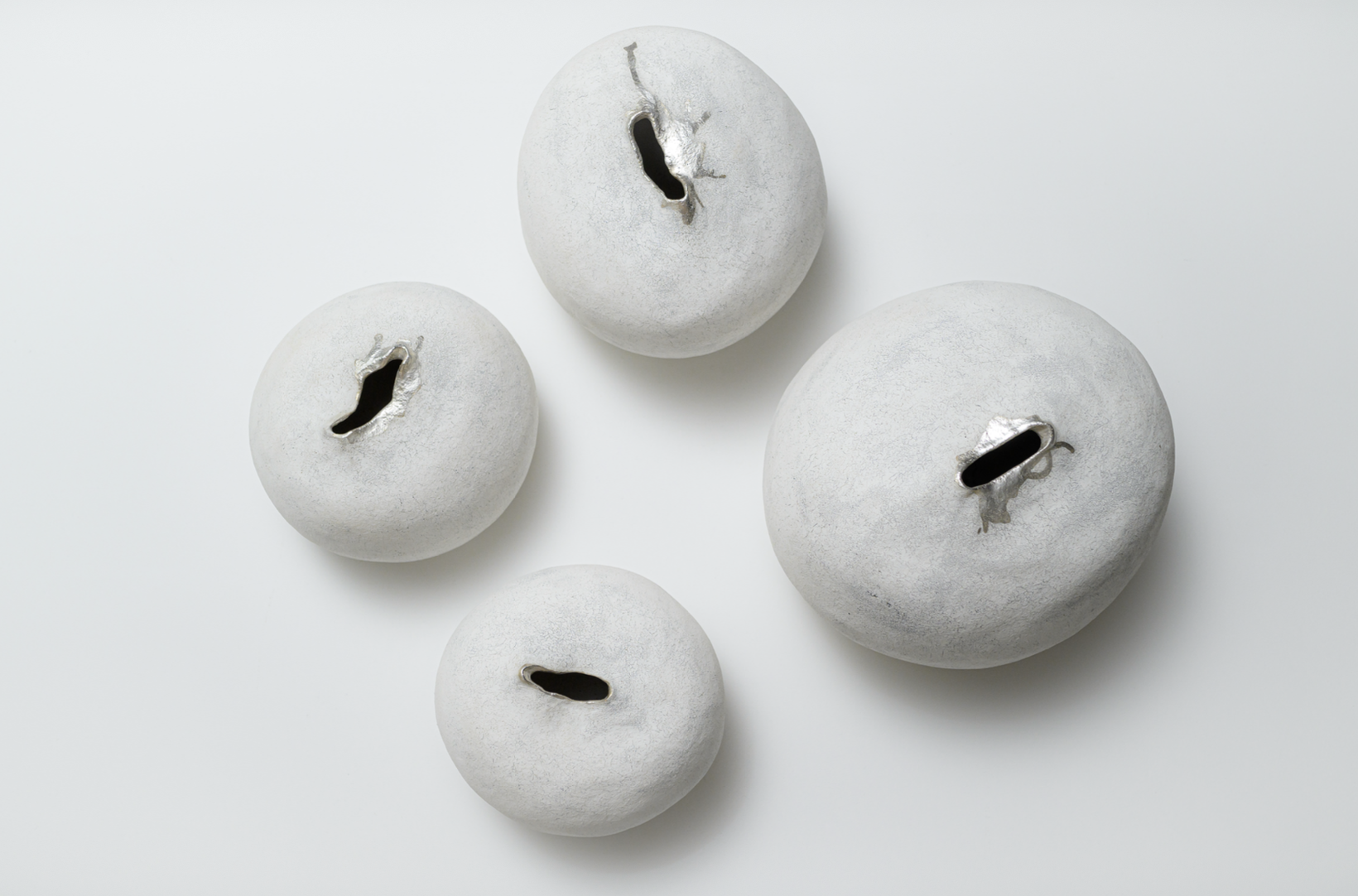
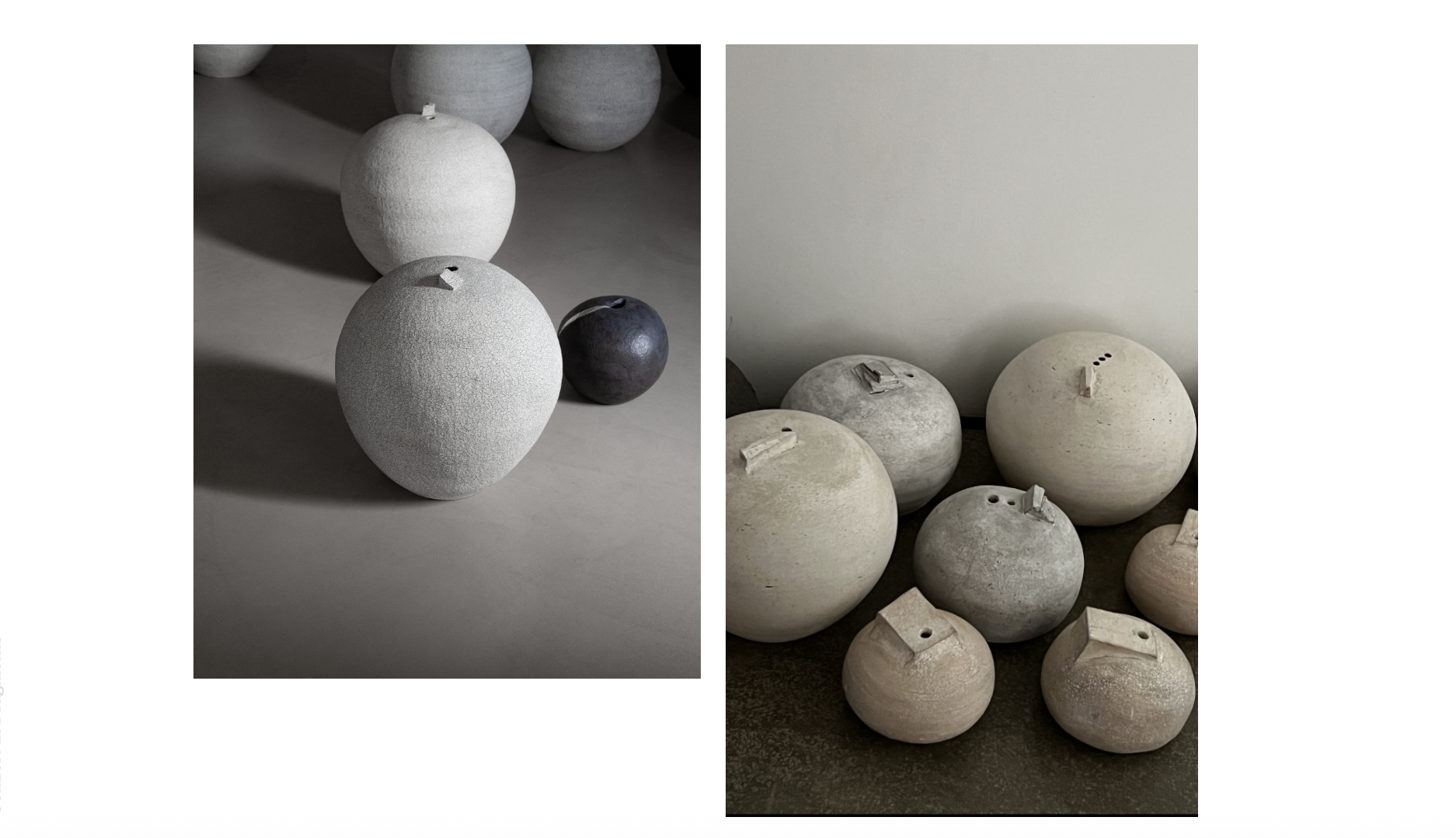
The repeated spherical forms that constitute the work embody a duality of universality and individuality. The perforations on their surfaces function beyond mere decorative elements; they act as “breathing apertures” of life. These small openings simultaneously reveal traces of presence and absence, suggesting that death is not an end but an ongoing passage of dialogue. Through these apertures, viewers encounter fundamental questions about existence and begin to sense that those who are gone continue to exist with us in profound ways.
The small, box-like protrusions positioned around the openings symbolize the distinct characteristics of individuals. These details trace the marks left by different lives, creating a tension between anonymity and individuality. In a world where personal identity is increasingly blurred, they invite viewers to move beyond passive observation—encouraging them to imagine the narratives embedded within the forms and to project their own memories and emotions onto the work.
The texture of the surface and the cracks revealed throughout are central elements of the piece. They hold within them the passage of time and the scars borne by existence, quietly evoking an “aesthetics of absence.” Yet these fissures do not merely signify pain or loss; rather, they function as conduits that connect memory and the present, containing the potential for connection and healing. In this way, cracks transform wounds and absence into spaces where new connections may emerge.
Although the work begins from an intensely personal narrative, its resonance extends into the universal. Comfort in Fragments invites reflection on how, within the disconnection and alienation of contemporary society, we might rediscover connection and solace. At the same time, it operates as a bridge toward those who have departed, offering viewers a space to reconsider their own relationships and memories.
Ultimately, this work engages the themes of loss, memory, and connection with both depth and sensitivity. Its formal resolution and symbolic density generate an emotional resonance that transcends mere visual appreciation. By translating the artist’s personal experience into a universal language, the work moves beyond an act of mourning—it becomes a profound inquiry into contemporary life, a reflection on the shared nature of loss, and a quiet, ongoing exploration of the possibilities of solace and connection.